printing facility painting Dallas-Fort Worth
Printing Facility Painting in Dallas-Fort Worth
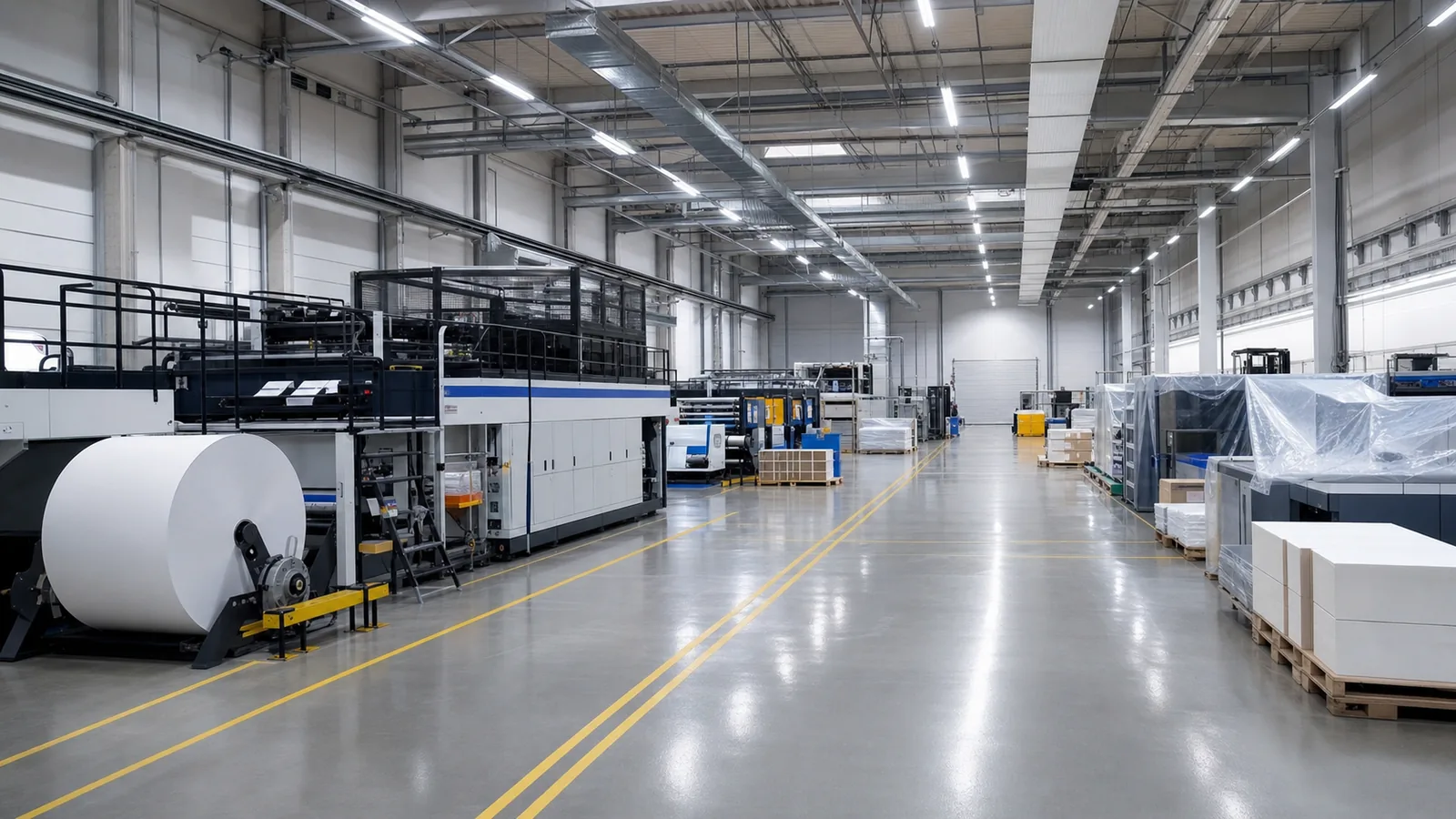
Industrial painting for web, sheet-fed, digital, bindery, paper-storage, and production-support areas with planning around presses, inks, ventilation, paper dust, and material flow.
Who this service is for
Commercial printers, packaging printers, publication and label facilities, bindery operations, maintenance managers, and plant leaders planning painting around active presses.
Surface preparation
Printing facilities may have ink mist, oils, paper dust, adhesive residue, cleaning compounds, and old coating failures. Preparation should follow the facility's chemical, ventilation, housekeeping, and equipment-protection requirements.
Safety and access planning
Planning should address press lockout, moving webs and rollers, flammable or combustible materials identified by the owner, ventilation, ignition sources, paper storage, forklifts, overhead equipment, electrical clearances, and approved waste handling.
Why choose DFW Industrial Painting
DFW Industrial Painting scopes printing facilities around press access, inks and cleaning materials, paper movement, ventilation, equipment protection, and shutdown windows rather than using a generic warehouse plan.
Painting around presses and finishing equipment
Printing plants may combine web or sheet-fed presses, digital equipment, dryers, coaters, cutters, folders, bindery, packaging, paper storage, and shipping. Press footprints and paper paths can limit wall and overhead access even when the room appears open.
The scope should identify press shutdown requirements, equipment clearances, control panels, web paths, ventilation, roll movement, and which departments can be released. Painting behind or above a press often requires more planning than open warehouse walls.
Ink, oil, adhesive, and paper-dust preparation
Ink mist, lubricants, blanket or press-cleaning residue, adhesives, coatings, and paper dust can settle on nearby building surfaces. The owner should identify chemicals and housekeeping restrictions so cleaning and preparation methods are compatible with the operation.
Preparation may include approved vacuuming or wiping, detergent cleaning, degreasing, removal of failed coatings, sanding, patching, rust treatment, and primers matched to the substrate. Unknown residue should not be disturbed until the facility identifies it.
Ventilation and flammable-material controls
Some printing processes use inks, coatings, cleaners, or solvents that create ventilation, fire, or exposure requirements. The facility must identify the materials, areas, ignition controls, storage rules, approved equipment, and whether production must stop.
Temporary exhaust or barriers can affect existing pressroom ventilation. Painting materials also introduce their own safety data and handling requirements. Operations and EHS personnel should approve the combined plan before work starts.
Protecting presses, paper, and finished work
Presses, controls, rollers, paper rolls, sheets, plates, dies, and finished products must be protected from preparation debris and coating droplets. Coverings should be approved by the owner and should not block required ventilation, controls, alarms, or safe access.
Cleanup should include equipment tops, ledges, web paths, floors, paper-storage boundaries, and contractor travel routes. Plant personnel should inspect and release each area before presses or material handling restart.
High-bay ceilings and structural surfaces
Web pressrooms and paper storage can have tall decks, joists, ducts, sprinklers, lighting, and structural steel above large equipment. Lift routes may be limited by presses, roll stands, conveyors, floor loading, and paper inventory.
Elevated work may need separate phases, specialty access, or a planned outage. The estimate should distinguish accessible building steel from press components and utilities that are not part of the painting scope.
Shutdowns and production phasing
Printing schedules can be deadline-driven, leaving narrow maintenance windows. A realistic phase includes equipment release, protection, cleaning, preparation, application, drying, cleanup, ventilation restoration, inspection, and restart.
Work may be divided by press, department, wall, or elevation. The plan should protect active paper and production elsewhere in the building and account for forklift and pallet movement between departments.
Paper storage, warehouse, and dock areas
Roll and sheet storage, finished-goods racks, docks, and shipping areas face paper movement, forklift traffic, dock schedules, and overhead access. Related painting may include walls, ceilings, columns, doors, bollards, and exterior loading surfaces.
See paper mill and corrugated plant painting for upstream paper operations and warehouse painting for storage and distribution spaces.
Preparing a printing facility estimate
Provide press and process types, affected departments, photos, dimensions, surfaces, ink and cleaning-material considerations, ventilation restrictions, equipment and paper protection, production schedules, shutdown dates, and desired completion.
DFW Industrial Painting accepts printing and manufacturing requests across Dallas-Fort Worth and North Texas. Return to the manufacturing facility painting hub for all industries.
FAQ
Common project questions
Industrial Manufacturing
Manufacturing painting by industry
Printing Facility Painting Estimate
Tell us about the plant, surfaces, and production schedule.
Share the facility location, approximate size, affected areas, current coating condition, access restrictions, and available shutdown windows. Photos or plans can help make the first scope conversation more productive.
Project Consultation
Planning a printing facility painting project?
Share the press types, affected areas, surface condition, paper and equipment protection, ventilation limits, production schedule, and shutdown windows.