automotive manufacturing facility painting Dallas-Fort Worth
Automotive Manufacturing Facility Painting in Dallas-Fort Worth
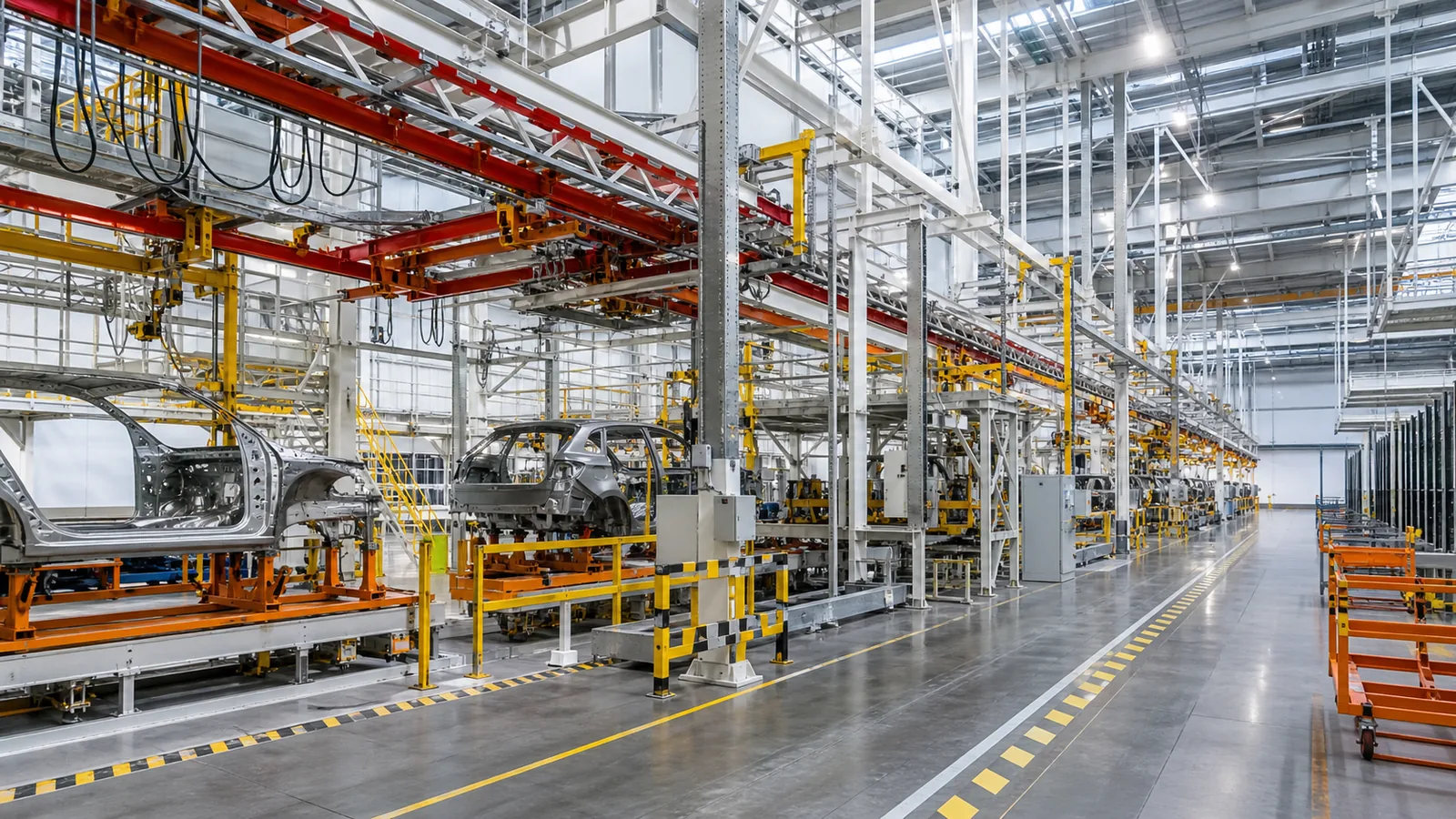
Facility painting for automotive assembly, component production, body and support areas, high-bay structures, warehouses, and shutdown work coordinated around complex production systems.
Who this service is for
Automotive manufacturers, component plants, assembly operations, maintenance managers, facility engineers, and plant leaders planning building painting around lines, conveyors, cranes, and scheduled outages.
Surface preparation
Automotive facilities may have oils, sealers, metal fines, production dust, tire or forklift soil, old coatings, and impact damage. Preparation should be assigned by area and coordinated with the owner's process, contamination, and equipment-protection requirements.
Safety and access planning
Planning should address conveyors, robots, cranes, suspended loads, machine guarding, lockout, hot work, paint-process boundaries, ventilation, electrical clearances, lift routes, traffic, and the owner's contractor and outage controls.
Why choose DFW Industrial Painting
DFW Industrial Painting treats automotive plants as interconnected production systems, building the scope around line access, overhead equipment, material flow, contamination, other trades, and strict turnover schedules.
Painting around interconnected production lines
Automotive plants can connect stamping or component work, body assembly, conveyors, paint-process areas, trim, final assembly, inspection, sequencing, warehousing, and shipping. Work in one bay can affect overhead carriers, material delivery, controls, and restart timing elsewhere.
The walkthrough should map line ownership, equipment clearances, overhead systems, floor access, shutdown boundaries, and other trades. Building painting must remain clearly separated from vehicle or component coating processes unless a separate specialty scope is established.
Oils, sealers, metal fines, and production soil
Different departments can leave different contamination on walls, columns, doors, decks, and floors. Oils, lubricants, sealers, metal fines, exhaust deposits, tire marks, and routine traffic soil require area-specific cleaning and preparation.
The owner should identify process residue and acceptable cleaning methods. Preparation may include degreasing, approved vacuuming or washing, removal of failed coatings, sanding, patching, corrosion treatment, and compatible primers.
Conveyors, robots, cranes, and overhead access
Automotive facilities often have dense overhead conveyors, carriers, cranes, cable trays, piping, sprinklers, lighting, and structural steel. Lift routes can be blocked by lines, pits, machines, guarded zones, and material staging.
Elevated work should be planned by bay or line segment, with equipment state and access confirmed before each shift. Building steel must be distinguished from production equipment, conveyor components, and safety systems that are not part of the painting scope.
Protecting equipment, vehicles, and components
Preparation debris, droplets, and dust must be isolated from robots, controls, tooling, carriers, vehicle bodies, components, and quality surfaces. The owner should define what is removed, covered, locked out, or inspected.
Protection cannot obstruct emergency stops, alarms, ventilation, access, or required maintenance. Cleanup and turnover may include equipment inspection, tool accountability, aisle cleaning, barrier removal, and quality approval.
Shutdowns, launches, and multi-trade coordination
Major painting often competes for outage time with line installation, electrical work, mechanical repairs, cleaning, inspections, and production changes. Access equipment, scaffolding, and materials must be coordinated through the outage plan.
The schedule should include owner release, protection, preparation, application, drying, cleanup, inspection, and restart. Production launch or changeover dates can make cure time and punch-list control especially important.
Walls, columns, support rooms, and warehouses
Projects may include masonry walls, panels, columns, stairs, rails, decks, maintenance rooms, utility spaces, quality areas, offices, corridors, cafeterias, sequencing warehouses, docks, and exterior surfaces. Each can use a different preparation and finish strategy.
High-contact lower walls and columns may need realistic touchup planning, while bright overhead surfaces can improve visibility. Warehouse and dock areas can be coordinated with warehouse painting.
Floors, aisles, and production markings
Automotive floors carry tuggers, forklifts, carts, racks, people, fluids, equipment pads, and marked production zones. Floor systems and markings need separate evaluation of concrete, contamination, traffic, safety standards, and shutdown windows.
The owner's color and marking system should control the layout. See industrial floor coatings for coating, striping, and traffic-area planning.
Preparing an automotive facility estimate
Provide the departments, line layout, surfaces, photos, quantities, contamination, overhead access, equipment-protection requirements, outage dates, other trades, owner specifications, approved products, and turnover milestones.
DFW Industrial Painting accepts automotive and component-manufacturing requests across Dallas-Fort Worth and North Texas. Return to manufacturing facility painting for the full industry cluster.
FAQ
Common project questions
Industrial Manufacturing
Manufacturing painting by industry
Automotive Manufacturing Painting Estimate
Tell us about the plant, surfaces, and production schedule.
Share the facility location, approximate size, affected areas, current coating condition, access restrictions, and available shutdown windows. Photos or plans can help make the first scope conversation more productive.
Project Consultation
Planning an automotive manufacturing painting project?
Share the affected departments, surfaces, line and conveyor access, contamination, outage schedule, other trades, owner standards, and turnover requirements.