electronics manufacturing facility painting Dallas-Fort Worth
Electronics Manufacturing Facility Painting in Dallas-Fort Worth
Facility painting for electronics assembly, equipment rooms, controlled production, warehouses, and support areas with planning around contamination control, static-sensitive operations, equipment protection, and access.
Who this service is for
Electronics manufacturers, component assemblers, contract manufacturers, maintenance managers, facility engineers, and operations teams planning building maintenance around controlled production.
Surface preparation
Electronics facilities may require low-dust work practices, controlled cleaning, careful masking, and product documentation established by the owner. Preparation should address the substrate and existing coating while preventing debris from entering equipment or controlled areas.
Safety and access planning
Planning should address static-sensitive zones, owner grounding and ESD procedures, equipment protection, ventilation, contamination controls, access restrictions, electrical clearances, lockout, overhead utilities, and production schedules.
Why choose DFW Industrial Painting
DFW Industrial Painting scopes electronics facilities around owner-defined contamination and ESD controls, sensitive equipment, clean access, and scheduled turnover rather than assuming every bright production room is an ordinary commercial interior.
Painting around sensitive production equipment
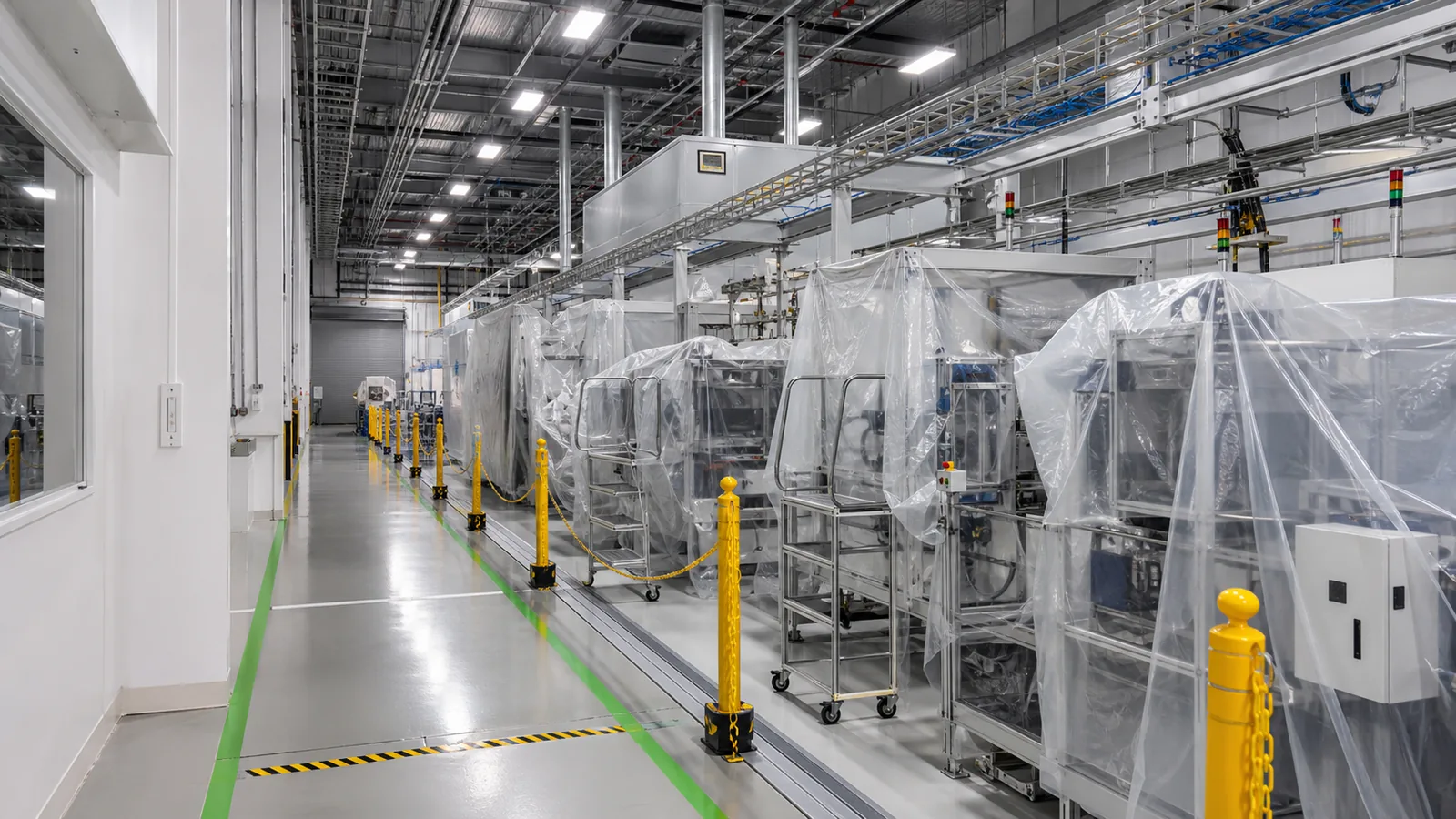
Electronics manufacturing can include assembly lines, automated placement, inspection, testing, component storage, repair, utilities, and packaging. Even when the building resembles a clean commercial interior, equipment sensitivity and contamination controls can make painting a tightly managed maintenance activity.
The walkthrough should identify controlled zones, equipment boundaries, material flow, air handling, overhead utilities, access procedures, and areas that can be released. The owner should define where ordinary contractor practices stop and special production controls begin.
Contamination and debris control
Scraping, sanding, drilling, masking, and even moving lifts can create particles. Preparation methods should be selected with the facility's contamination limits in mind, and sensitive equipment or workstations may need removal, approved coverings, temporary isolation, or complete shutdown.
The plan should include tool and material accountability, protected travel paths, controlled waste removal, final cleaning, and owner inspection. A visibly clean surface is not the same as meeting a facility's particle or contamination requirements.
Static-sensitive and controlled areas
Some electronics operations use electrostatic-discharge controls for personnel, flooring, equipment, grounding, garments, and materials. The facility must identify those zones and specify acceptable coverings, tools, footwear, equipment movement, and temporary work practices.
Painting contractors should not modify, bridge, cover, or claim performance for an ESD-control system without an owner-approved scope. Floors or coatings with electrical-performance requirements need specialty design, installation, and verification beyond ordinary painting.
Walls, ceilings, columns, and utilities
Projects may involve drywall, masonry, panels, ceilings, columns, doors, frames, utility rooms, corridors, offices, and warehouse surfaces. Overhead work can be especially sensitive because debris may settle on cable trays, equipment, lighting, ducts, and production surfaces.
Preparation may include approved cleaning, patching, removal of failed coatings, sanding with controlled collection, and compatible primers. The owner should review color, sheen, odor, emissions documentation, and cure requirements for each area.
Air handling and ventilation coordination
Controlled production may depend on pressure relationships, filtration, temperature, and humidity. Temporary barriers or exhaust equipment can affect those systems. Facilities personnel should approve any ventilation change, air-moving device, open door, or isolation method.
Coating odor and airborne material can travel beyond the work area. The project may require off-hours application, HVAC coordination, monitoring by the owner, or a longer turnover before sensitive production resumes.
Phased work and controlled turnover
Work can sometimes be phased by room, line, corridor, or support area. Each phase should define equipment state, coverings, contractor entry, preparation, application, drying, cleanup, environmental restoration, inspection, and production release.
Weekend windows should leave enough time for owner cleaning and verification. A coating that feels dry may still require additional time before the facility accepts the area under its product or contamination-control program.
Warehouses and support spaces
Component storage, finished-goods warehouses, docks, offices, break rooms, maintenance areas, and utility rooms may have fewer controls than production but still connect to sensitive material flow. Those areas can be separated in the scope based on traffic and exposure.
Warehouse walls, ceilings, doors, and floors may be coordinated with warehouse painting or industrial floor coatings while preserving the site's access and contamination boundaries.
Preparing an electronics facility estimate
Provide the facility and process type, controlled-area requirements, affected rooms, photos, surfaces, equipment-protection needs, HVAC restrictions, ESD procedures, approved product documentation, shutdown dates, and owner turnover requirements.
DFW Industrial Painting accepts electronics and manufacturing requests across Dallas-Fort Worth and North Texas. Review the manufacturing facility painting hub for the complete cluster.
FAQ
Common project questions
Industrial Manufacturing
Manufacturing painting by industry
Electronics Manufacturing Painting Estimate
Tell us about the plant, surfaces, and production schedule.
Share the facility location, approximate size, affected areas, current coating condition, access restrictions, and available shutdown windows. Photos or plans can help make the first scope conversation more productive.
Project Consultation
Planning maintenance painting for an electronics facility?
Share the production areas, control requirements, equipment sensitivity, surfaces, access restrictions, shutdown window, and owner-approved products.