metal fabrication facility painting Dallas-Fort Worth
Metal Fabrication Facility Painting in Dallas-Fort Worth
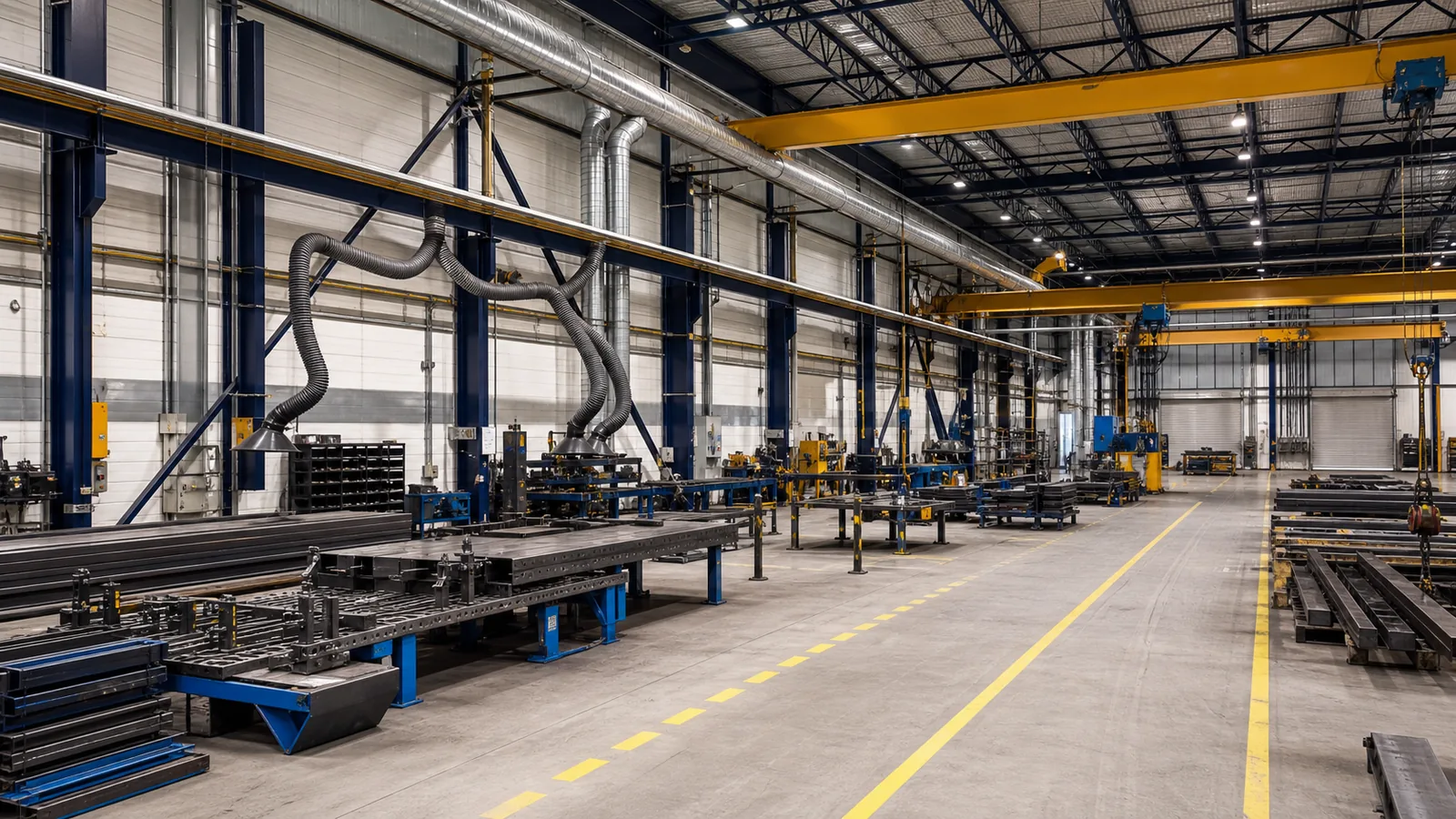
Industrial painting for fabrication shops, steel production areas, machine departments, crane bays, and support spaces with planning around hot work, metal dust, oils, and heavy material movement.
Who this service is for
Metal fabricators, machine shops, steel processors, equipment manufacturers, maintenance managers, and plant engineers who need building painting coordinated with active fabrication work.
Surface preparation
Fabrication environments may leave oils, metal fines, soot, shop dust, rust, impact damage, and old coating failures on building surfaces. Preparation may require owner-approved cleaning, degreasing, removal of loose coatings, abrasion, corrosion treatment, patching, and primers selected for the substrate and exposure.
Safety and access planning
The project plan should separate painting from welding, cutting, grinding, and other ignition-producing work. It should also address crane operations, suspended loads, steel stock, machine clearances, ventilation, electrical equipment, lift routes, lockout boundaries, and the facility's hot-work controls.
Why choose DFW Industrial Painting
DFW Industrial Painting builds the estimate around real fabrication operations, recognizing that crane bays, hot-work zones, steel storage, oils, and overhead access require more coordination than a general commercial repaint.
Painting in an active fabrication environment
Fabrication facilities can combine welding cells, cutting tables, press brakes, machining, assembly, steel storage, overhead cranes, forklifts, maintenance work, and shipping in the same building. Painting must be coordinated with those operations so crews, lifts, coatings, and protected work zones do not conflict with hot work or material movement.
The initial scope should identify which departments can stop, which activities create sparks or fumes, where cranes travel, how steel enters and leaves the building, and where painting materials can be staged. This operational review often determines the project sequence before color or coating selection is discussed.
Oils, metal fines, soot, and surface contamination
Shop walls, columns, doors, and overhead surfaces may carry cutting-fluid residue, oil mist, metal fines, smoke deposits, ordinary dust, fingerprints, and forklift soil. Painting over those conditions can shorten coating life. The contamination also varies across the building, with machining, welding, storage, and office-adjacent areas requiring different preparation.
Preparation may include facility-approved vacuuming or cleaning, detergent washing, degreasing, scraping failed coatings, sanding sound edges, treating localized rust, repairing damaged walls, and applying compatible primers. Test areas can help confirm that the planned method reaches a stable, clean surface.
Separating painting from welding and hot work
Coatings, solvents, preparation debris, coverings, and temporary barriers should not be introduced into active hot-work zones without a reviewed plan. Welding, torch cutting, grinding, and heating can create ignition sources and airborne contaminants, while painting may introduce vapors or combustible materials. The owner controls permits and operating boundaries for these activities.
A practical schedule separates incompatible work by time or space and confirms ventilation, cleanup, material storage, and area release before another activity resumes. Painted or coated metal that will later be welded, cut, or heated may require separate review under the facility's safety program.
Crane bays, columns, and overhead steel
Overhead bridge cranes, runway beams, columns, roof trusses, ducts, and utilities make fabrication buildings visually and physically complex. Access can be limited by crane rails, steel racks, machines, floor pits, cables, and areas needed for suspended loads. Elevated surfaces should be divided into zones with defined lift routes and equipment clearances.
The condition of structural steel may range from sound factory coatings to impact damage, corrosion, and repeated touchups. The estimate should identify which surfaces are building steel, crane components, machinery, or owner-maintained safety systems because they may have different preparation, coating, and access requirements.
Walls, ceilings, doors, and support departments
Fabrication projects may include masonry or concrete walls, insulated panels, roof decks, interior partitions, large overhead doors, maintenance shops, tool rooms, compressor spaces, quality areas, offices, locker rooms, and corridors. Bright, maintained building surfaces can improve visibility, but each area still needs a finish suited to its cleaning and contact conditions.
Detailed areas around conduit, ventilation, equipment feeds, wall penetrations, and racks may require more masking and hand work than their square footage suggests. Doors and lower walls near steel handling or forklifts may need realistic maintenance expectations because impact can damage even a well-prepared coating.
Phased work around production and material flow
A fabrication shop may not have a single annual shutdown. Painting can sometimes be phased by bay, department, shift, or elevation while the owner reroutes work. Each phase should define crane availability, steel storage, lift access, equipment protection, ventilation, pedestrian routes, and the point when the area returns to production.
Weekend or overnight windows must include cleaning, preparation, coating, drying, cleanup, and inspection. If the selected system cannot meet the available return-to-service time, the scope or schedule needs to change rather than assuming production can restart around uncured material.
Shop floors, aisles, and traffic markings
Fabrication floors handle steel carts, forklifts, welding tables, machines, pallets, and frequent impact. Floor work may include traffic aisles, pedestrian routes, crane-clear zones, work-cell boundaries, coatings, or selected repairs, but these services require a separate slab and exposure review.
The floor plan should account for oils, embedded metal, cracks, moisture considerations, heavy loads, sparks, cleaning, slip needs, and cure windows. Review industrial floor coatings for concrete coatings and markings or industrial concrete floor polishing where an exposed finish may be appropriate.
Exterior metal buildings and loading areas
Many fabrication operations occupy metal buildings with large doors, canopies, exterior panels, structural frames, yard-side walls, and loading areas. Exterior work adds weather, sun, chalking, sealant, rust, overspray, vehicle traffic, and neighboring-property considerations to the project.
Exterior panels and exposed steel should be reviewed for coating condition and substrate compatibility before cleaning or repainting methods are selected. Visit metal building painting for that scope and warehouse painting for related storage and dock areas.
Preparing a fabrication facility estimate
Helpful information includes shop drawings or a floor plan, affected square footage, surface materials, photos, production and hot-work schedules, crane coverage, lift restrictions, shutdown opportunities, known oils or contamination, owner coating standards, and desired completion dates. A walkthrough should include operations, maintenance, and safety representatives when practical.
DFW Industrial Painting serves fabrication and manufacturing facilities across Dallas-Fort Worth and North Texas. Return to the manufacturing facility painting hub for general plant planning and other industry-specific services.
FAQ
Common project questions
Industrial Manufacturing
Manufacturing painting by industry
Metal Fabrication Facility Painting Estimate
Tell us about the plant, surfaces, and production schedule.
Share the facility location, approximate size, affected areas, current coating condition, access restrictions, and available shutdown windows. Photos or plans can help make the first scope conversation more productive.
Project Consultation
Planning a metal fabrication facility painting project?
Share the shop layout, affected areas, surface conditions, production hours, crane and lift restrictions, hot-work zones, and shutdown windows so the project can be scoped around operations.