plastics manufacturing facility painting Dallas-Fort Worth
Plastics Manufacturing Facility Painting in Dallas-Fort Worth
Painting for injection molding, extrusion, resin handling, assembly, warehouse, and support areas with planning around machines, heat, oils, pellets, dust controls, and production schedules.
Who this service is for
Plastics manufacturers, molders, extruders, component producers, maintenance managers, plant engineers, and operations teams planning facility painting around active machinery and material flow.
Surface preparation
Plastics facilities may have hydraulic oils, mold-release residue, resin pellets, fines, heat-related deposits, forklift soil, and old coating failures. Preparation must match the actual material and the plant's housekeeping controls.
Safety and access planning
Planning should address machine guarding and lockout, hot surfaces, resin conveying, owner-identified dust hazards, static-sensitive areas, cranes, forklifts, ventilation, electrical equipment, lift paths, and material storage.
Why choose DFW Industrial Painting
DFW Industrial Painting scopes plastics plants by production area, contamination, equipment clearance, material movement, and shutdown availability rather than assuming every molding or extrusion department has the same conditions.
Painting around molding and extrusion equipment
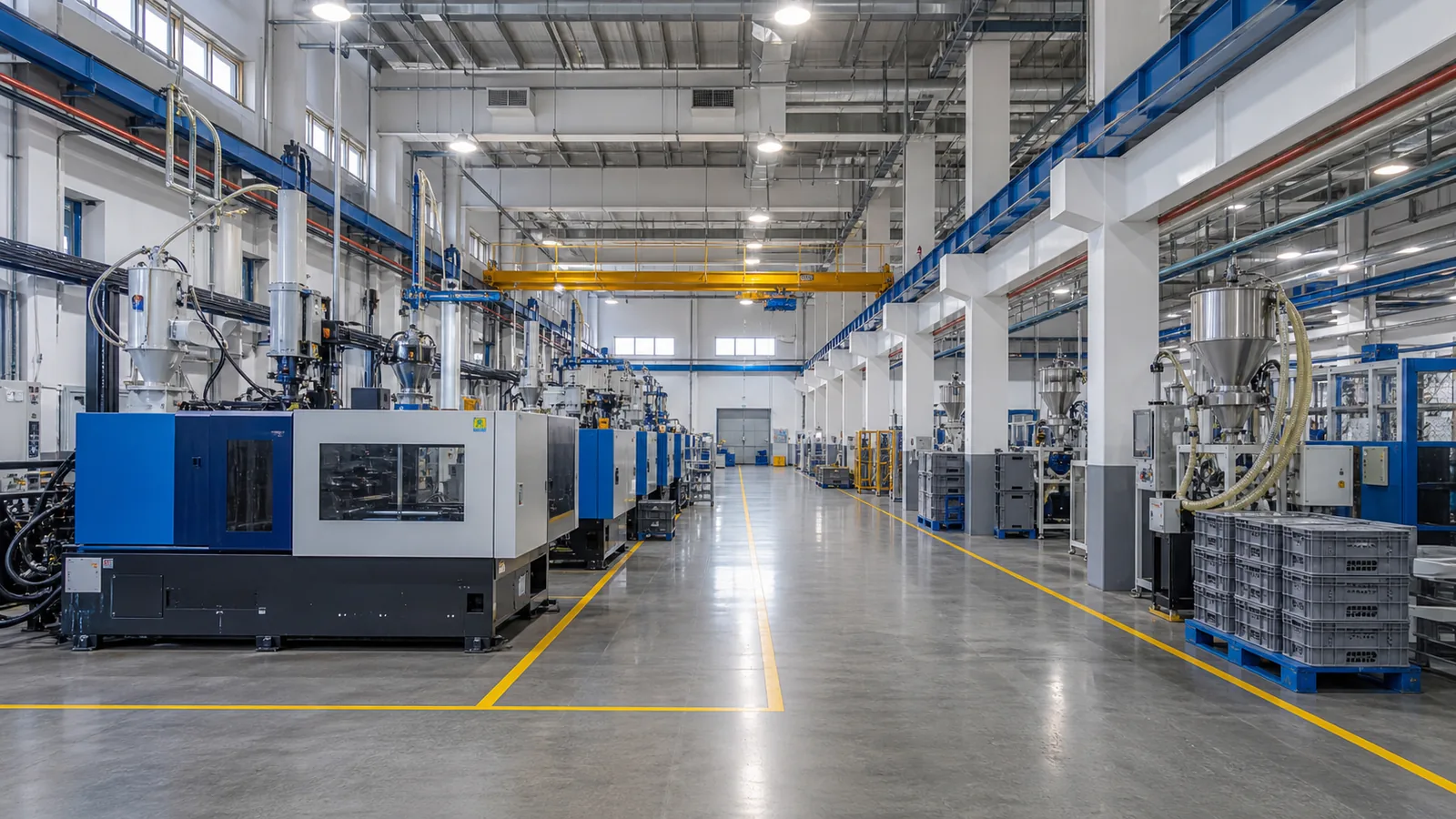
Injection molding and extrusion plants can include presses, hoppers, dryers, blenders, vacuum conveying, cooling systems, robots, trimming, assembly, quality areas, and finished-product storage. Building surfaces are often interrupted by utilities and equipment with limited clearance.
The walkthrough should map machine footprints, overhead feeds, maintenance access, cranes, aisles, resin movement, and departments that can be released. Painting behind a press or above conveying lines may require different access and shutdown assumptions from open perimeter walls.
Oils, release agents, pellets, and residue
Hydraulic systems, lubricants, mold-release products, resin pellets, dust or fines, and ordinary production soil can contaminate nearby walls, columns, doors, and floors. The type and location of residue should be identified before preparation is selected.
Preparation may include owner-approved vacuuming or cleaning, degreasing, scraping, sanding, patching, corrosion treatment, and compatible primers. Test areas can confirm whether the method produces a stable surface without affecting nearby machines or materials.
Dust, static, and ignition considerations
Some plastics or additives can create combustible dust hazards when finely divided, while other operations may not. The facility must identify its materials, hazard assessment, classified areas, acceptable tools, housekeeping methods, and ignition controls.
Painting crews should not infer hazard status from visible cleanliness. Powered preparation, temporary ventilation, coatings, coverings, and material storage must remain within the owner's controls for the specific department.
Heat, utilities, and elevated surfaces
Extruders, dryers, process water, compressed air, electrical feeds, resin lines, and ventilation can create dense overhead conditions. High-bay walls, decks, joists, columns, and utility-adjacent surfaces require lift-route planning and clear separation from active machines.
Heat and temperature cycling may affect surface condition, coating selection, and work timing. Active leaks, condensation, or damaged insulation should be corrected before painting rather than covered by a finish coat.
Protecting machines and raw materials
Molds, presses, controls, robots, resin, components, and finished goods must be protected from dust, preparation debris, and coating droplets. The scope should define what can be moved, what is covered, how air movement is controlled, and how emergency access remains available.
Cleanup and area release should include inspection of equipment tops, ledges, aisles, and material storage. The facility decides when coverings are removed and when machines or material handling return to service.
Phasing around continuous production
Some plastics operations run continuously or have long machine cycles, making a full shutdown impractical. Painting can sometimes be phased by bay, wall, elevation, shift, or support room while the owner changes material and personnel flow.
Each phase needs enough time for protection, cleaning, preparation, application, drying, cleanup, and inspection. Cure assumptions should follow the actual temperature and ventilation conditions, not only the published ideal.
Warehouses, floors, and exterior areas
Raw-material storage, finished-goods warehouses, docks, silos or resin-handling support areas, exterior panels, doors, and canopies may be included in a broader plant project. Each area has different traffic, weather, and contamination conditions.
Floor coatings and markings require separate review of oils, pellets, static or safety requirements supplied by the owner, slab condition, forklifts, and cure windows. See industrial floor coatings and warehouse painting.
Preparing a plastics facility estimate
Provide the processes, affected departments, surface types, photos, dimensions, contamination concerns, housekeeping controls, machine and lift access, production schedule, shutdown opportunities, owner specifications, and desired completion date.
DFW Industrial Painting accepts plastics and manufacturing requests across Dallas-Fort Worth and North Texas. Return to manufacturing facility painting for the complete industry cluster.
FAQ
Common project questions
Industrial Manufacturing
Manufacturing painting by industry
Plastics Manufacturing Painting Estimate
Tell us about the plant, surfaces, and production schedule.
Share the facility location, approximate size, affected areas, current coating condition, access restrictions, and available shutdown windows. Photos or plans can help make the first scope conversation more productive.
Project Consultation
Planning painting for a plastics manufacturing facility?
Share the processes, affected areas, surface conditions, machine access, material handling, housekeeping restrictions, and available shutdown windows.