paper mill and corrugated plant painting Dallas-Fort Worth
Paper Mill & Corrugated Plant Painting in Dallas-Fort Worth
Industrial painting for paper manufacturing, corrugated plants, converting operations, roll-handling areas, and production buildings with demanding access and housekeeping requirements.
Who this service is for
Paper manufacturers, corrugated plants, sheet plants, converters, maintenance managers, facility engineers, and operations teams planning painting around roll handling, production equipment, dust controls, and shutdown schedules.
Surface preparation
Paper and corrugated facilities can accumulate fibers and dust on ledges, joists, walls, equipment-adjacent surfaces, and overhead steel. Preparation must follow the plant's housekeeping and hazard controls and may include approved vacuuming or cleaning, removal of loose coatings, localized corrosion treatment, patching, and compatible primers.
Safety and access planning
Planning should account for the facility's dust-hazard assessment, ignition controls, conveyors, roll movement, forklifts, overhead cranes, stored paper, fire-protection systems, lift access, electrical clearances, and lockout procedures. Painting methods cannot be selected independently of those controls.
Why choose DFW Industrial Painting
DFW Industrial Painting starts with the operating environment, access limits, surface condition, and the owner's safety program so the scope fits a paper or corrugated facility instead of relying on a generic plant-painting plan.
Painting around paper and corrugated production
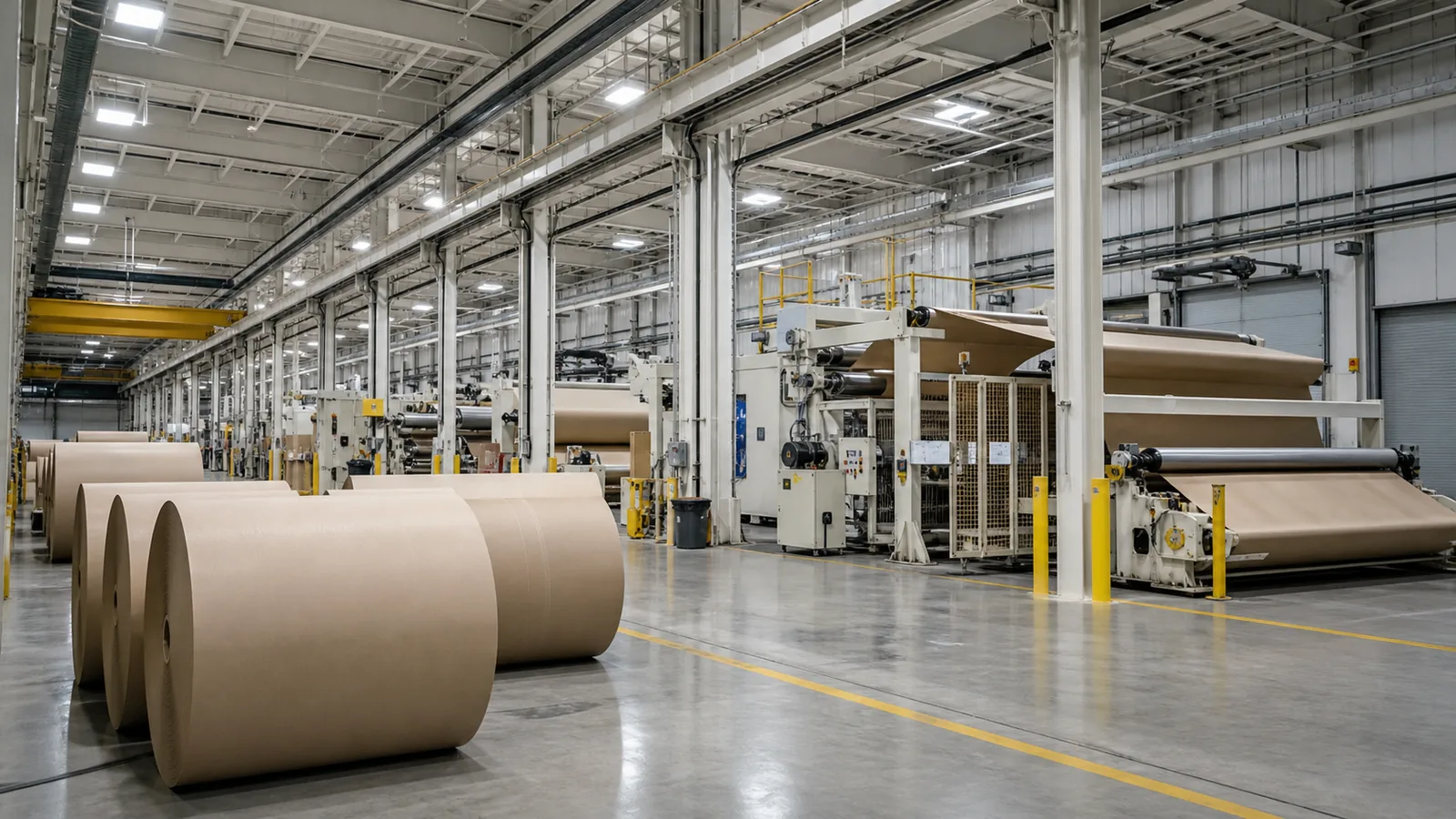
Paper manufacturing and corrugated operations can include roll storage, web handling, converting lines, corrugators, printing and cutting equipment, balers, glue systems, finished-goods staging, and shipping. These connected areas make access and phasing central to the painting scope. A blocked aisle or unavailable crane bay can affect several departments beyond the immediate work zone.
The walkthrough should map material movement, equipment clearances, operating schedules, housekeeping boundaries, and safe staging locations. Some plants can release an entire department during a shutdown. Others need work divided by wall, elevation, aisle, or production line so material flow can continue.
Dust-aware preparation and housekeeping coordination
Fibers and dust can settle on decks, joists, beams, conduit, lights, ledges, wall panels, and other horizontal surfaces. That accumulation can hide corrosion and coating failure while also affecting adhesion. Cleaning and preparation cannot be treated as an ordinary sweeping task in a facility where the owner has identified combustible or process-dust hazards.
The plant should define acceptable cleaning methods, equipment, work permits, ignition controls, and area-release procedures. Painting crews then plan surface preparation within those requirements. The scope may include approved vacuuming, controlled wiping or washing where suitable, scraping loose material, sanding transitions, spot corrosion treatment, patching, and compatible primers.
High-bay steel, roof decks, and elevated access
Paper and corrugated facilities often have large open bays, tall converting equipment, overhead cranes, pipe runs, ducts, sprinklers, and structural members above active production. Elevated painting may require several lift types and careful route planning around floor openings, stored rolls, equipment foundations, and areas that cannot support or accommodate a lift.
Roof decks and structural steel should be inspected by zone because conditions can change around vents, roof leaks, humid areas, exterior walls, and process equipment. The estimate should distinguish routine repainting from areas with active corrosion, damaged substrates, or access conditions that require additional engineering or specialty review.
Protecting rolls, sheets, equipment, and finished goods
Paper products and production equipment must be protected from coating droplets, dust, preparation debris, and overspray. The project plan should identify which materials can be relocated, how machinery will be covered, where temporary barriers are allowed, and how ventilation or air movement may carry material beyond the work zone.
Protection and cleanup should be inspected before an area returns to production. This can include removing coverings in a controlled sequence, checking overhead surfaces, cleaning travel paths, accounting for tools and materials, and allowing plant personnel to release the area under their own operating procedures.
Shutdown, outage, and phased maintenance work
A planned outage creates an opportunity to reach surfaces that are inaccessible during production, but the available hours must cover shutdown handoff, protection, preparation, coating, drying, cleanup, inspection, and restart. A schedule based only on application time can leave too little room for safe turnover.
When a full outage is not available, work can sometimes proceed through isolated phases. The phasing plan should show which lines remain active, how lifts and materials enter, what separates the work area, and who has authority to stop or release work. Coating cure requirements must fit the actual return-to-service window.
Walls, columns, mezzanines, and support areas
The project may include concrete or masonry walls, insulated panels, columns, stairs, rails, mezzanine steel, maintenance shops, electrical rooms, compressor spaces, offices, break areas, and corridors. Each substrate and environment should be evaluated independently rather than covered by one broad coating note.
High-visibility walls can improve light reflection and make routine inspection easier, while columns and rails may need durable finishes aligned with the facility's established color system. Support spaces often have tighter access, more penetrations, and more detailed masking than open production walls.
Warehouse, dock, and floor coordination
Paper facilities often connect production to raw-material storage, finished-goods warehouses, loading docks, and exterior yards. Related painting can include dock walls and doors, bollards, steel canopies, exterior panels, traffic markings, and warehouse ceilings. These areas face forklift contact, weather, and shipping schedules different from the production floor.
Floor coatings and markings should be scoped separately around slab condition, roll and forklift loads, contamination, traffic detours, and cure windows. Review industrial floor coatings and warehouse painting for those connected facility needs.
Scoping a paper facility painting estimate
Useful estimate information includes the facility type, affected departments, approximate dimensions, surface materials, photos, existing coating history, known leaks or corrosion, housekeeping restrictions, operating schedule, shutdown dates, lift requirements, and owner safety procedures. Plant drawings can help identify elevated work and areas hidden by equipment.
DFW Industrial Painting accepts requests across Dallas-Fort Worth and North Texas. Return to the manufacturing facility painting hub for broader plant planning or compare packaging facility painting for packing, assembly, and finished-product operations.
FAQ
Common project questions
Industrial Manufacturing
Manufacturing painting by industry
Paper Mill Painting Estimate
Tell us about the plant, surfaces, and production schedule.
Share the facility location, approximate size, affected areas, current coating condition, access restrictions, and available shutdown windows. Photos or plans can help make the first scope conversation more productive.
Project Consultation
Planning painting for a paper or corrugated facility?
Share the plant type, production areas, affected surfaces, shutdown schedule, access restrictions, and owner safety requirements so the estimate can begin with the real operating conditions.